1.In your perspective would you enjoy having Voodoo as your religion?Why or Why Not?
2.How would you help Haiti from improve there quality of life?
Language & Religion
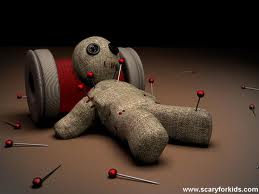
Colonial ruled by France, influenced the language in Haiti. The Haitians speak both Haitian Creole and French.But when Napoleon took over Spain stopped looking over Haiti very closely because Spain had there own problems so Haiti became a French colony. Creole is a French based language that also includes some African, Arabic, Arawak, English, Spanish, and Taino influences. The African influence came from the thousands maybe millions of African slaves that were brought to Haiti to work in the fields. Roman catholic is the official religion of Haiti. This came from the Spanish colonizers. Voodoo is considered the country’s national religion. Voodoo has its roots in Africa and was brought to Haiti by the African slaves.The history in slave labor in Haiti has limited the technology developed there.
FOOD ART
Food, Art, & Music
Food
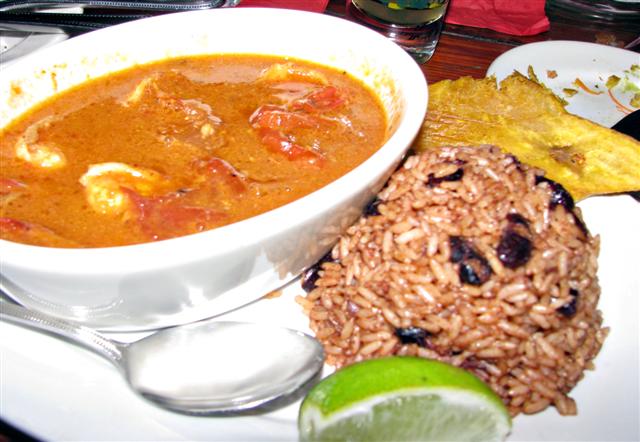
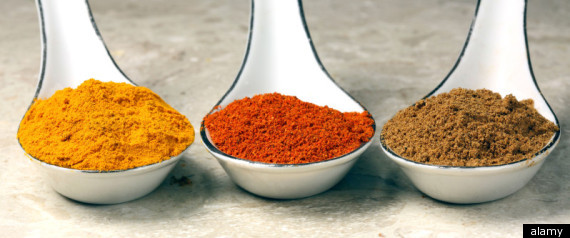
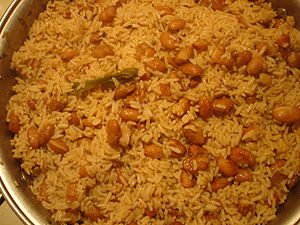
Native Haitian food was first influenced by Spanish when Christopher Columbus brought Spanish influence to the island of Haiti. The Spanish influence brought spices to their foods. The French colonizers brought both French and African influences to the food of Haiti by colonizing it and importing black African slaves. Also because Haiti was very urbanized(Until Jean-Pierre Boyer the Haitians leader helped them win the revolution from the prejudice French) by the French. The French brought their refined recipes(while they spread Imperialism throughout Haiti) while the Africans brought more exotic types of recipes. For example today the African method of cooking with coals in holes dug in the ground is still used. Also today there foods are a lot like Spanish today with there meals including mostly of beans and rice and following up with spices they have.
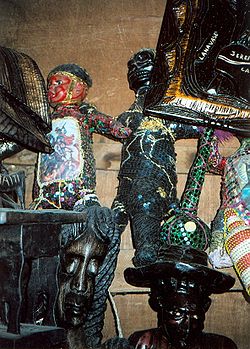
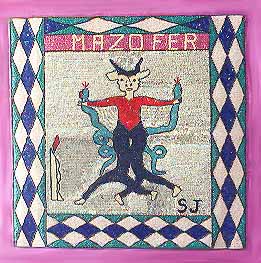
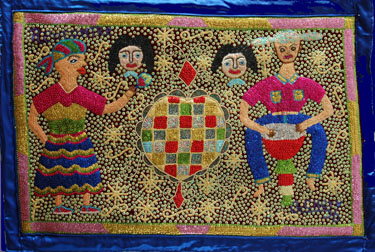
Art The Taino Indians painted on the walls of their huts, caves, and even their bodies back then, but now their art is colorful, bright, and contains of animals and human. Drapo Voodoo is an art form unique to Haiti. Constructed of sequins and beads hand sewn onto fabric, these bring life to the dynamic iconography of Haiti. But there's very little influence on Haitian art from the Indians. That's because when the Spanish came they wiped out almost all the Indians by killing them, and destroying their culture. The greatest influence on Haitian art is the voodoo tradition. As the catholic colonizers imported more and more slaves, the voodoo religion became the most important thing in Haitian life.
Music
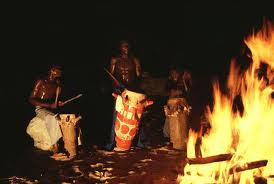
Haitian music has been influenced by the Spanish, French and African populations. They developed their own musical style as voodoo rituals, dances, and spiritual possessions were put to music.Voodoo music went through a major change when america invaded Haiti in 1915. Voodoo jazz developed in their music as a protest against American soldiers, when America invaded. The Haitians don't listen to just voodoo music. Even the modern music from today in Haiti has been influenced by its colonizers. For example, one of the popular styles of music in Haiti today is called Mizik Rasin. This music is a mixture of modern reggae, rock and funk into traditional black African spiritual music.

...2 years later...
On January 12, 2010, an earthquake destroyed my house, now for the past two years I have slept on the floor of the tent next to my parents. The small space is neatly organized, a cooking area on one side with carefully stacked pots and pans, like building blocks perfectly stacked on each other, and in another corner a fan, a radio and a broken refrigerator covered in rust on the outside. We store our clothes in plastic tubs covered with towels to keep out the dust. An electric bulb attached to a cord hangs from the ceiling tarp. This tarp is not waterproof when it rains, so much water floods the tent like a dam cracking spilling water through inch by inch, making sure that no one can sleep. My name is Cynthia Dessert, now I am 13, and I don't know how long my family will have to remain in the camp, for now there is no alternative.
On school days, I wake up at 5:30 a.m. The camp has no showers but thankfully neighbors who live across the street let me bathe at their house. My mother buys breakfast from a street vendor, she so kindly buys me bread and coffee with hot milk. After I eat I change into my blue and white checked shirt, with a blue pleated skirt and black shoes. Before I rush to school wearing the only good piece of clothing I have I say goodbye to my mother.
She brushes the dust off my shoes shoes, and helps fix my hair. She checks my old backpack to make sure she I have all my homework, she checks off in her head and with her fingers to make sure I have my lessons on the legislative branch, mollusks and rice-producing countries. After the terrifying earthquake school was closed for three months. It has now been rebuilt and is a 15-minute walk from the camp. Life is going rough even 2 years after the earthquake. All it has done for me is make my living more difficult, my mother says that people will come help and save us from our loss and lack of supplies from the earthquake. But I haven't seen many. As soon as I open the gate to the girls’ public school, I ran straight towards my friends as if its the only good thing that's happened these past 2 years and began to play a card game with them. At 8:30 a.m. sharp, the principal appears. Nobody likes him he always lectures us about how men and women all over the world come to help us from the hurricane but to me and my friends there is no one, no man or woman as pale as the sand can I see anywhere helping us. But once the principal comes out we all have to immediately line up in the narrow courtyard. We say the pledge of allegiance as we raise our country’s flag is raised. Because this is our first day back to school from the hurricane everyone's getting teary, I think how ridiculous it is but then I go back to how it was for me earth quaking, houses falling as easily as dandelions flow off the stem, smoke and dust filling the air everywhere I go, disasters everywhere I look the light fading away. Then before I know it I start tearing up. Then after a long pause for all of us to give thanks for all us being alive this day we sing a hymn and Haiti’s national anthem.
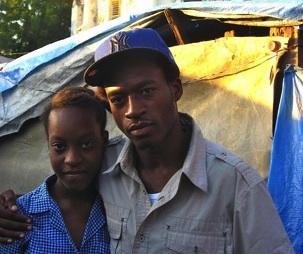
This Video inspired me to help Donate to Haiti, I hope it does the same for you.
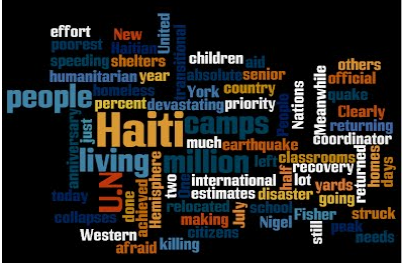
A Wordle That Describes Haiti Today and in the Past
© Elaine Christensen 12/11/2012